A Comprehensive Overview to the Services Offered by Casting Foundry Professionals
Casting Foundry specialists play an essential role in the production market. They supply a multitude of solutions that span the entire Casting process, guaranteeing accuracy and high quality. From mold and mildew style to metal putting methods, each element is thoroughly crafted. Quality control measures ensure that requirements are satisfied. However, the subtleties of these processes frequently go unnoticed. Comprehending the complete series of solutions can reveal their impact on numerous markets and applications.
Recognizing Casting Procedures
Although casting procedures may differ considerably, they all share an usual objective: changing raw products into precise, useful shapes. Casting Foundry. These procedures encompass different methods, including sand spreading, pass away spreading, and financial investment casting, each suited to details applications and materials. In sand spreading, mold and mildews are developed from sand and a binding representative, permitting for flexibility in layout and dimension. Pass away spreading, on the various other hand, utilizes high-pressure injection to produce intricate forms from molten steel, making certain high precision and repeatability. Investment Casting entails developing a wax pattern, which is covered in ceramic product, permitting superior surface finish and dimensional precision. No matter the method chosen, the basic concepts of heating, pouring, and strengthening materials stay constant. By comprehending these procedures, suppliers can pick the most proper method for their needs, making sure performance and high quality in manufacturing
Pattern Making Strategies
Pattern making techniques play a pivotal duty in the Casting procedure, working as the blueprint for the last item. These techniques entail producing a precise reproduction of the wanted item, which is after that made use of to form mold and mildews. Different materials, such as metal, wood, or plastic, can be utilized to craft patterns, relying on the complexity and needs of the Casting job.
Amongst the common strategies are solid patterns, which are easy and straight, and split patterns, which permit even more detailed styles by dividing the pattern right into two halves. In addition, core patterns are utilized to create interior tooth cavities within spreadings.
Developments in technology have presented digital pattern production and 3D printing, enabling quicker manufacturing and greater precision (Casting Foundry). These technologies enhance the effectiveness and precision of the Casting process, making sure that the end products satisfy rigorous quality standards while lowering preparations
Mold Style and Design
Mold and mildew layout and engineering are important parts in the Casting process, influencing the general high quality of the last item. The design process includes cautious factor to consider of product option criteria and the application of simulation and screening strategies to assure peak performance. Comprehending these elements is essential for achieving reliable and reliable mold and mildew manufacturing.
Design Process Review
The design process for casting Foundry services is a critical phase that includes mold and mildew layout and engineering. This stage begins with understanding the particular needs of the component to be created, including measurements, resistances, and general performance. Engineers utilize computer-aided design (CAD) software to create detailed versions, ensuring precision in the mold's geometry.
Partnership in between customers and designers is essential, as it aids to address any possible design obstacles beforehand. As soon as the first style is authorized, prototypes may be created for screening objectives. This iterative process enables changes and improvements, guaranteeing the final mold meets all specifications. Ultimately, reliable mold design and design are pivotal for attaining high-quality Casting outcomes while optimizing manufacturing effectiveness.
Material Option Criteria
When figuring out the appropriate products for mold layout and engineering, it is necessary to review various variables that impact the efficiency and longevity of the Casting process. Key factors to consider include thermal conductivity, which impacts heat transfer; mechanical toughness, guaranteeing the mold and mildew endures pressure; and resistance to use and corrosion, which extends mold life. Furthermore, the compatibility of the product with the liquified steel is essential to stop reactions that might jeopardize the spreading. Cost-effectiveness and ease of machining additionally play substantial functions in product selection. Ultimately, choosing the ideal products straightens with the details requirements of the project, guaranteeing effective production and high-grade spreadings. Correct evaluation of these criteria will result in optimal mold performance and toughness.
Simulation and Examining Strategies
Using innovative simulation and screening strategies is necessary for maximizing mold and mildew layout and design. These approaches make it possible for casting Foundry specialists to anticipate exactly how molds will carry out under various problems, therefore decreasing product waste and minimizing preparations. Finite element analysis (FEA) and computational fluid characteristics (CFD) are generally utilized to examine architectural stability and fluid flow within mold and mildews. By imitating various circumstances, designers can recognize prospective problems prior to physical manufacturing begins. Additionally, model testing permits real-world recognition of style selections, making sure that molds fulfill performance specifications. Incorporating these methods not only improves the accuracy of mold and mildew designs but additionally adds to the total effectiveness and cost-effectiveness of the Casting process, leading to higher-quality last products.
Steel Pouring Methods
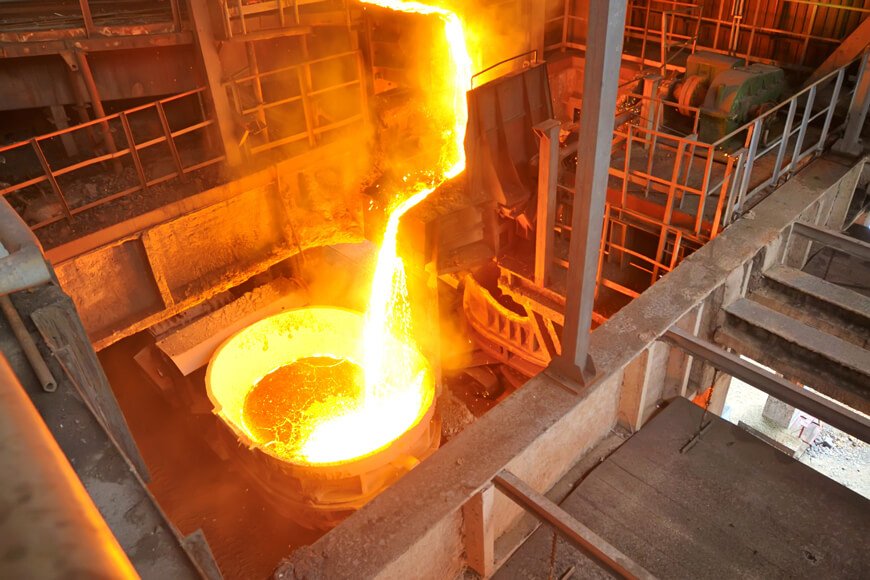
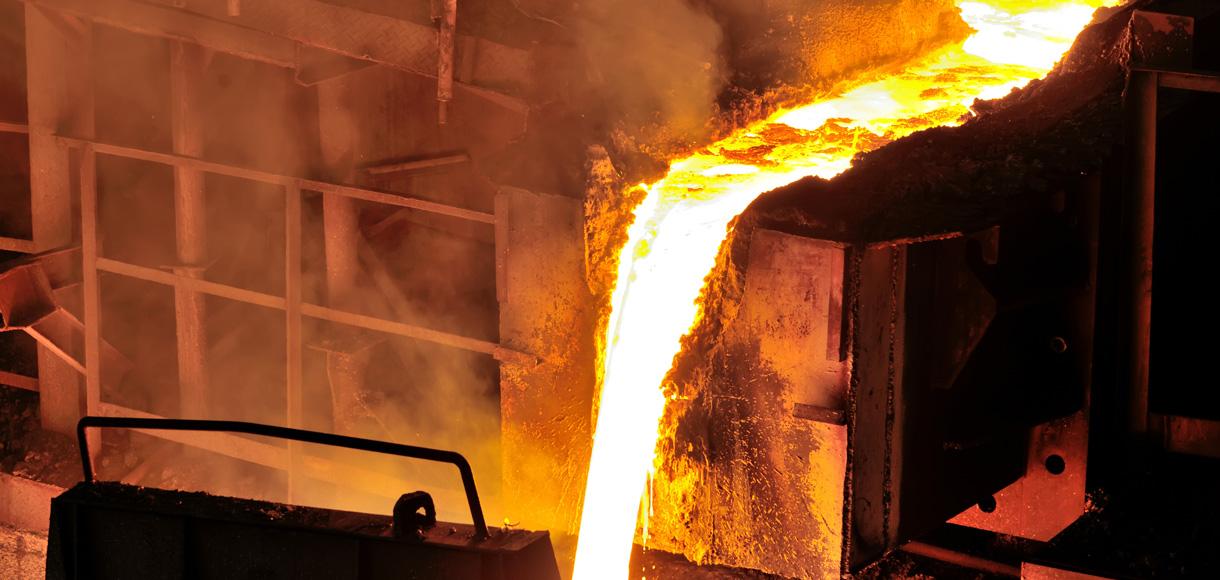
Putting molten steel into mold and mildews is an essential action in the Casting procedure, influencing the last product's top quality and structural honesty. Various steel pouring techniques are employed by casting shops to achieve ideal outcomes. One of the most typical strategies include gravity putting, where metal moves into the mold and mildew solely drunk of gravity, and pressure putting, which uses employed pressure to ensure full mold dental filling. In addition, vacuum putting is utilized to get rid of air pockets and improve surface area finish, while centrifugal putting employs rotational pressure to distribute the steel evenly within the mold and mildew. Each method offers distinctive benefits relying on the kind of steel, mold style, and wanted Casting Foundry qualities of the end product. Foundry professionals analyze these factors meticulously to select one of the most ideal putting technique, assuring that the Casting meets the required requirements and efficiency criteria. Understanding these strategies is important for attaining high-grade castings in different industries.
Warmth Therapy and Completing Procedures
Heat therapy and completing processes play a crucial duty in boosting the mechanical properties and surface high quality of spreadings. These processes entail a collection of regulated home heating and cooling cycles, which change the microstructure of the metal, resulting in improved strength, ductility, and resistance to put on. Usual warmth therapy techniques include tempering, annealing, and quenching, each customized to accomplish particular material features.
Adhering to warm treatment, finishing procedures such as machining, grinding, and polishing are employed to attain exact dimensions and ideal surface area finishes. These steps are essential for minimizing surface roughness and boosting visual appeal, ensuring that the last product fulfills the needed specifications. In addition, completing processes can include covering applications, which provide rust resistance and improve durability. Generally, the integration of heat therapy and finishing procedures is vital for delivering top notch castings that fulfill industry requirements and customer expectations.
Quality Assurance and Testing
Quality assurance and testing are crucial components in the Casting Foundry process, making certain that each product satisfies established requirements for efficiency and reliability. Factories apply extensive screening methods throughout production to determine issues and assess material properties. This includes visual assessments, dimensional checks, and non-destructive screening methods such as ultrasonic or radiographic assessments.
Making use of advanced technology, including electronic dimension systems, boosts precision in detecting potential defects. Furthermore, product examples are usually subjected to mechanical testing, assessing firmness, ductility, and toughness. These analyses are crucial for validating that spreadings can withstand operational tensions in their designated applications.
Adherence to industry standards, such as ASTM and ISO certifications, plays a significant duty in quality guarantee. By keeping detailed documents of examination outcomes, factories can offer customers with self-confidence in the dependability and toughness of their actors items, eventually promoting long-term partnerships based upon count on.
Personalized Casting Solutions and Applications
The value of customized solutions in casting foundries can not be overstated, as markets progressively seek parts that meet certain demands. Custom Casting services permit the manufacturing of complex geometries and distinct products, dealing with varied markets such as automobile, aerospace, and power. Factories use innovative technologies, consisting of 3D printing and computer-aided design, to develop models and end products that line up with customer specifications.
Applications vary from detailed engine parts to specialized equipment parts, highlighting the adaptability of personalized spreadings. By collaborating carefully with customers, foundries can guarantee that each Casting not just meets practical needs but likewise sticks to industry criteria. This modification results in enhanced efficiency, decreased waste, and improved performance in production processes. Eventually, personalized Casting solutions represent a calculated benefit for businesses aiming to innovate and preserve affordable sides in their corresponding fields.
Frequently Asked Inquiries
What Products Can Be Utilized in Casting Processes?
The products utilized in casting processes consist of steels like bronze, light weight aluminum, and iron, in addition to non-metals such as porcelains and plastics. Each material offers one-of-a-kind buildings fit for various applications and production demands.
How much time Does a Common Casting Project Take?
The period of a typical Casting task varies substantially, typically ranging from numerous days to weeks. Elements affecting this timeline include layout complexity, product selection, and the certain Casting techniques utilized by the foundry.
What Industries Advantage Most From Casting Solutions?
The industries that benefit most from casting solutions include aerospace, vehicle, construction, and marine. Each market makes use of casting to create specific components, improving performance and performance in their corresponding applications, thereby driving advancement and growth.
Can You Offer Prototypes Prior To Complete Production?
What Is the Typical Cost Variety for Casting Services?
The typical price array for casting services varies substantially, frequently influenced by variables such as material manufacturing, kind, and complexity volume. Generally, rates can range from a couple of hundred to a number of thousand bucks per job.
These processes incorporate different approaches, including sand spreading, die spreading, and investment spreading, each fit to specific applications and products. Mold style and engineering are important components in the Casting procedure, influencing the general quality of the last item. When identifying the appropriate materials for mold and mildew design and design, it is important to examine various aspects that impact the performance and long life of the Casting process. Putting liquified metal into mold and mildews is an important step in the Casting process, affecting the last product's top quality and structural stability. Quality control and screening are vital elements in the Casting Foundry procedure, ensuring that each product satisfies well-known requirements for efficiency and reliability.